
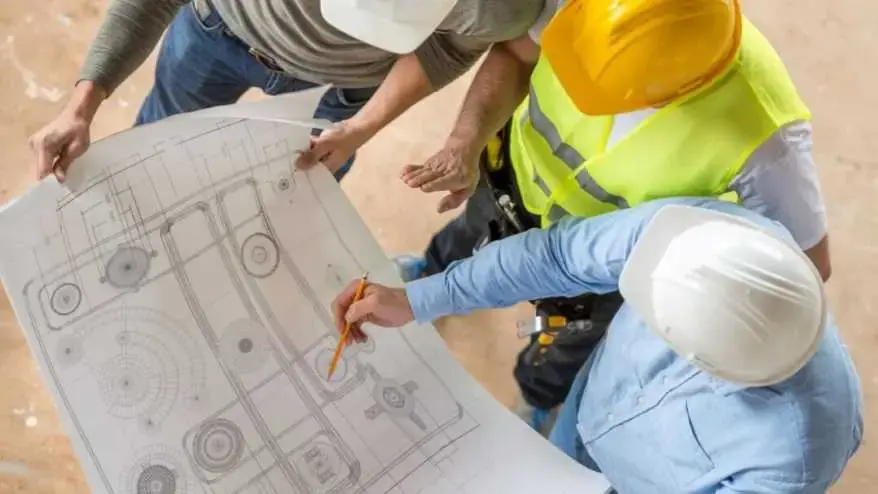
Civil Engineering is a professional engineering discipline that focuses on the planning, design, construction, operation, and maintenance of infrastructure that supports modern society. Civil engineers apply scientific principles, mathematics, and engineering techniques to develop safe, sustainable, and cost-effective projects such as roads, bridges, buildings, airports, dams, tunnels, railways, water supply systems, and other public works.
Civil engineers collaborate with architects, surveyors, contractors, environmental specialists, and government agencies to ensure projects comply with engineering standards, environmental regulations, and safety requirements. They are responsible for project planning, structural analysis, quality assurance, budgeting, risk management, and supervising construction activities from conception to completion.
Types of Civil Engineering Jobs
- Civil Engineer
- Structural Engineer
- Construction Engineer
- Site Engineer
- Project Engineer
- Highway Engineer
- Transportation Engineer
- Bridge Engineer
- Railway Engineer
- Geotechnical Engineer
- Water Resources Engineer
- Hydraulic Engineer
- Environmental Engineer
- Municipal Engineer
- Urban Infrastructure Engineer
- Coastal Engineer
- Dam Engineer
- Tunnel Engineer
- Airport Engineer
- Foundation Engineer
- Pavement Engineer
- Survey Engineer
- Materials Engineer
- Quality Control Engineer
- Planning Engineer
- Design Engineer
- Estimation Engineer
- Contract Engineer
- Resident Engineer
- Field Engineer
- Building Engineer
- Drainage Engineer
- Irrigation Engineer
- Utility Engineer
- Construction Project Manager
- Engineering Consultant
- CAD Civil Designer
- BIM Civil Engineer
- Civil Engineering Technician
- Construction Inspector
Major Civil Engineering Specializations
Structural Engineering
Designs and analyzes buildings, bridges, towers, stadiums, industrial plants, and other structures to ensure strength, stability, and durability.
Construction Engineering
Focuses on construction planning, project execution, resource management, budgeting, scheduling, and quality control.
Transportation Engineering
Plans, designs, and maintains highways, roads, railways, airports, ports, and urban transit systems.
Geotechnical Engineering
Studies soil, rock, and groundwater conditions to design safe foundations, retaining walls, embankments, and underground structures.
Water Resources Engineering
Develops dams, reservoirs, pipelines, canals, irrigation systems, drainage systems, and flood protection infrastructure.
Environmental Engineering
Protects public health through wastewater treatment, pollution control, waste management, air quality improvement, and sustainable environmental solutions.
Municipal Engineering
Develops public infrastructure including roads, drainage, water supply, sewer systems, parks, and public facilities.
Coastal Engineering
Designs harbors, ports, seawalls, offshore structures, and erosion control systems.
Earthquake Engineering
Designs structures capable of resisting seismic activity and minimizing earthquake damage.
Pavement Engineering
Designs highways, airport runways, parking lots, and road rehabilitation projects.
Civil Engineering Job Titles
Engineering Positions
- Civil Engineer
- Senior Civil Engineer
- Graduate Civil Engineer
- Junior Civil Engineer
- Principal Civil Engineer
- Consulting Civil Engineer
- Resident Engineer
- Project Engineer
- Site Engineer
- Field Engineer
- Structural Engineer
- Bridge Engineer
- Highway Engineer
- Railway Engineer
- Airport Engineer
- Marine Engineer
- Coastal Engineer
- Tunnel Engineer
- Dam Engineer
- Geotechnical Engineer
- Foundation Engineer
- Transportation Engineer
- Traffic Engineer
- Municipal Engineer
- Hydraulic Engineer
- Water Resources Engineer
- Environmental Engineer
- Irrigation Engineer
- Drainage Engineer
- Utility Engineer
- Construction Engineer
- Building Engineer
- Infrastructure Engineer
- Urban Development Engineer
- Pipeline Engineer
- Stormwater Engineer
- Earthworks Engineer
Design & Planning Jobs
- Design Engineer
- CAD Designer
- Civil CAD Technician
- BIM Engineer
- BIM Coordinator
- Structural Designer
- Drafting Engineer
- Planning Engineer
- Scheduling Engineer
- Quantity Surveyor
- Estimation Engineer
- Cost Engineer
- Procurement Engineer
- Contract Engineer
- Tender Engineer
Construction Management Jobs
- Construction Manager
- Site Manager
- Project Manager
- Engineering Manager
- Operations Manager
- Construction Superintendent
- General Superintendent
- Construction Coordinator
- Project Coordinator
- Contracts Manager
- Commercial Manager
Inspection & Quality Jobs
- Civil Inspector
- Building Inspector
- Construction Inspector
- Materials Inspector
- Quality Control Engineer
- Quality Assurance Engineer
- Health and Safety Engineer
- Compliance Engineer
Surveying Jobs
- Land Surveyor
- Engineering Surveyor
- Geomatics Engineer
- GIS Specialist
- Survey Technician
- Survey Coordinator
Laboratory & Materials Jobs
- Materials Engineer
- Concrete Technologist
- Asphalt Engineer
- Pavement Materials Engineer
- Laboratory Technician
- Soil Testing Engineer
- Geotechnical Laboratory Engineer
Daily Responsibilities
Civil engineers are responsible for:
- Preparing engineering drawings and technical specifications.
- Conducting site investigations and topographical surveys.
- Performing structural calculations and analysis.
- Designing foundations, buildings, bridges, and infrastructure.
- Supervising construction activities.
- Coordinating contractors and subcontractors.
- Monitoring project progress and quality standards.
- Preparing budgets, schedules, and project reports.
- Managing engineering risks and safety.
- Reviewing contractor submissions.
- Inspecting completed works.
- Ensuring environmental compliance.
- Conducting feasibility studies.
- Managing procurement activities.
- Resolving technical construction issues.
- Approving engineering designs.
- Performing cost estimation.
- Evaluating construction materials.
- Coordinating multidisciplinary engineering teams.
- Preparing tender documentation.
- Maintaining project documentation.
Technical Skills
Civil engineers commonly use:
Design Software
- AutoCAD
- Civil 3D
- Revit
- MicroStation
- Tekla Structures
- Bentley OpenRoads
Structural Software
- ETABS
- STAAD.Pro
- SAP2000
- SAFE
- Robot Structural Analysis
- RISA
Geotechnical Software
- PLAXIS
- GeoStudio
- gINT
Water Engineering Software
- HEC-RAS
- HEC-HMS
- EPANET
- SWMM
Project Management Software
- Primavera P6
- Microsoft Project
- Oracle Primavera
- Procore
- Autodesk Construction Cloud
Essential Skills
- Structural design
- Project management
- Construction supervision
- Engineering mathematics
- Surveying
- Hydrology
- Soil mechanics
- Quantity estimation
- Contract administration
- Quality assurance
- Risk management
- Budget planning
- Scheduling
- Leadership
- Problem-solving
- Technical communication
- Team collaboration
- Decision-making
- Attention to detail
- Time management
Industries That Employ Civil Engineers
Civil engineers are employed in:
International engineering organizations
Building construction
Highway construction
Bridge construction
Railway engineering
Airport development
Seaport development
Water treatment
Wastewater management
Mining
Oil and gas
Renewable energy
Hydroelectric power
Nuclear facilities
Manufacturing plants
Real estate development
Government public works
Municipal engineering departments
Infrastructure consulting
Environmental consulting
Disaster recovery and reconstruction
Telecommunications infrastructure
Industrial construction
Smart city development

Construction Engineer
A Construction Engineer is a highly skilled engineering professional responsible for planning, coordinating, supervising, and managing construction projects from inception to completion. Construction engineers combine engineering principles, construction management practices, and project planning techniques to ensure that buildings, roads, bridges, airports, industrial facilities, and other infrastructure projects are completed safely, on schedule, within budget, and according to quality standards.
Construction engineers serve as the link between project owners, architects, designers, contractors, subcontractors, suppliers, and government authorities. They oversee all phases of construction, including site preparation, procurement, scheduling, budgeting, quality assurance, risk management, health and safety compliance, and project delivery.
They are responsible for ensuring that construction activities comply with engineering specifications, local building codes, environmental regulations, and occupational health and safety requirements while maintaining cost efficiency and high-quality workmanship.
Key Responsibilities
- Plan, organize, and supervise construction projects from start to finish.
- Review engineering drawings, blueprints, and technical specifications.
- Prepare project schedules and construction timelines.
- Develop project budgets and cost estimates.
- Coordinate contractors, subcontractors, consultants, and suppliers.
- Supervise construction activities to ensure compliance with engineering standards.
- Conduct site inspections and monitor construction progress.
- Ensure adherence to workplace health and safety regulations.
- Manage procurement of construction materials and equipment.
- Resolve technical and construction-related issues on-site.
- Monitor project costs and control expenditures.
- Review and approve contractor work.
- Ensure compliance with environmental regulations and permit requirements.
- Prepare technical reports, progress reports, and project documentation.
- Conduct quality assurance and quality control inspections.
- Coordinate with government agencies for inspections and approvals.
- Manage project risks and implement corrective actions.
- Ensure timely project completion while maintaining quality standards.
Types of Construction Engineer Jobs
- Construction Engineer
- Site Construction Engineer
- Civil Construction Engineer
- Building Construction Engineer
- Infrastructure Construction Engineer
- Highway Construction Engineer
- Bridge Construction Engineer
- Railway Construction Engineer
- Airport Construction Engineer
- Marine Construction Engineer
- Industrial Construction Engineer
- Residential Construction Engineer
- Commercial Construction Engineer
- Project Construction Engineer
- Senior Construction Engineer
- Field Construction Engineer
- Construction Project Engineer
- Structural Construction Engineer
- Utility Construction Engineer
- Pipeline Construction Engineer
- Heavy Civil Construction Engineer
- Renewable Energy Construction Engineer
- Oil and Gas Construction Engineer
- Mining Construction Engineer
- Water Infrastructure Construction Engineer
Required Skills
Technical Skills
- Construction planning
- Structural engineering principles
- Blueprint interpretation
- Quantity surveying
- Cost estimation
- Project scheduling
- Contract administration
- Construction management
- Quality assurance (QA)
- Quality control (QC)
- Site supervision
- Risk management
- Procurement management
- Building code compliance
- Health and safety management
- Materials testing
- Engineering design review
Software Skills
- AutoCAD
- Autodesk Revit
- Civil 3D
- Primavera P6
- Microsoft Project
- Procore
- Autodesk Construction Cloud
- Bluebeam Revu
- Navisworks
- Microsoft Office Suite
Soft Skills
- Leadership
- Communication
- Problem-solving
- Decision-making
- Team management
- Negotiation
- Time management
- Critical thinking
- Attention to detail
- Conflict resolution
Industries That Employ Construction Engineers
- Commercial building construction
- Residential housing developments
- Highway and road construction
- Bridge construction
- Airport development
- Railway infrastructure
- Water and wastewater treatment plants
- Renewable energy projects
- Oil and gas facilities
- Mining operations
- Industrial manufacturing plants
- Government public works
- Infrastructure development companies
- Engineering consulting firms
- Real estate development companies
- International construction organizations
Career Progression
- Graduate Construction Engineer
- Assistant Construction Engineer
- Construction Engineer
- Senior Construction Engineer
- Lead Construction Engineer
- Project Engineer
- Construction Manager
- Senior Project Manager
- Engineering Manager
- Project Director
- Director of Construction
- Chief Engineer

Painter
Professional Description
A Painter is a skilled tradesperson responsible for preparing, protecting, and finishing interior and exterior surfaces of residential, commercial, industrial, and institutional buildings. Painters apply paints, stains, varnishes, lacquers, epoxies, sealants, and other protective coatings to improve the appearance, durability, and longevity of structures and equipment.
Professional painters prepare surfaces by cleaning, sanding, scraping, filling cracks, repairing damaged areas, and applying primers to ensure high-quality finishes. They work with a variety of materials including drywall, wood, concrete, brick, steel, plaster, and metal, while following safety regulations and industry standards.
Painters use specialized tools and equipment such as brushes, rollers, spray guns, scaffolding, ladders, and masking equipment to complete projects efficiently and safely. They may work independently or as part of construction and maintenance teams on new construction, renovation, restoration, and maintenance projects.
Types of Painter Jobs
- Residential Painter
- Commercial Painter
- Industrial Painter
- Construction Painter
- Building Painter
- Interior Painter
- Exterior Painter
- Spray Painter
- Spray Booth Painter
- Automotive Painter
- Bridge Painter
- Structural Steel Painter
- Marine Painter
- Ship Painter
- Aircraft Painter
- Powder Coating Technician
- Sandblaster and Painter
- Decorative Painter
- Wallpaper Installer
- Faux Finish Painter
- Maintenance Painter
- Protective Coatings Applicator
- Corrosion Control Painter
- Sign Painter
- Furniture Finisher
- Cabinet Painter
- Epoxy Flooring Installer
- Line Marking Painter
Key Responsibilities
- Prepare surfaces by cleaning, scraping, sanding, and repairing imperfections.
- Apply primers, paints, stains, varnishes, and protective coatings.
- Mix paints and coatings to achieve the required color and finish.
- Protect furniture, floors, windows, and surrounding areas before painting.
- Operate brushes, rollers, and spray-painting equipment.
- Repair cracks, holes, and damaged wall surfaces.
- Apply waterproof and corrosion-resistant coatings where required.
- Inspect completed work to ensure quality and consistency.
- Follow safety procedures and use personal protective equipment (PPE).
- Maintain painting tools and equipment.
- Estimate material requirements and project timelines.
- Read and interpret construction drawings and work specifications.
- Ensure compliance with workplace health and safety regulations.
- Work at heights using ladders, scaffolding, or elevated work platforms when necessary.
Required Skills
Technical Skills
- Surface preparation
- Brush and roller painting
- Spray painting
- Color matching and mixing
- Drywall repair
- Plaster patching
- Wallpaper installation
- Decorative finishing
- Protective coatings application
- Epoxy coating systems
- Waterproofing
- Sandblasting
- Surface inspection
- Material estimation
- Quality control
Soft Skills
- Attention to detail
- Hand-eye coordination
- Time management
- Communication
- Teamwork
- Problem-solving
- Physical stamina
- Reliability
- Organization
- Customer service
Tools and Equipment
- Paint brushes
- Rollers
- Airless spray guns
- HVLP spray systems
- Paint mixers
- Sanding machines
- Scrapers
- Putty knives
- Ladders
- Scaffolding
- Drop cloths
- Masking tape
- Paint trays
- Pressure washers
- Personal protective equipment (PPE)
Employment Sectors
Painters are employed in:
- Residential construction
- Commercial construction
- Industrial facilities
- Manufacturing plants
- Government buildings
- Hospitals
- Schools and universities
- Hotels and resorts
- Shopping malls
- Office buildings
- Airports
- Marine and shipbuilding companies
- Automotive repair shops
- Aircraft maintenance facilities
- Property maintenance companies
- Real estate development firms
- Infrastructure and bridge maintenance
- Painting and decorating contractors
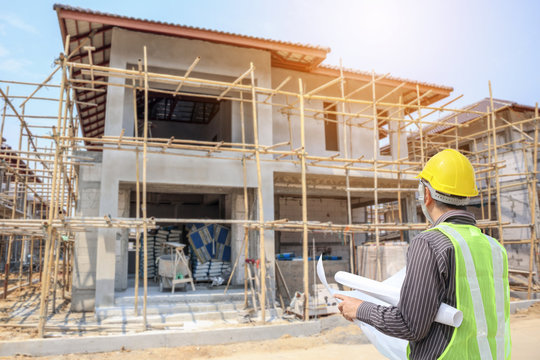
Builder
A Builder is a skilled construction professional responsible for constructing, renovating, repairing, and maintaining residential, commercial, industrial, and public buildings and structures. Builders coordinate and perform a wide range of construction activities, including interpreting building plans, preparing construction sites, assembling structural components, installing building materials, and ensuring projects are completed safely, on time, and in accordance with engineering specifications and building regulations.
Builders work closely with architects, civil engineers, construction managers, electricians, plumbers, carpenters, masons, painters, and other skilled trades to deliver high-quality construction projects. They use a variety of construction materials, tools, machinery, and equipment while adhering to occupational health and safety standards.
Builders may specialize in new construction, renovations, remodeling, restoration, or infrastructure projects and play a critical role in ensuring the structural integrity, functionality, and durability of buildings.
Types of Builder Jobs
- General Builder
- Residential Builder
- Commercial Builder
- Industrial Builder
- Construction Builder
- Building Contractor
- House Builder
- Home Renovation Builder
- Commercial Construction Builder
- Infrastructure Builder
- Site Builder
- Structural Builder
- Building Maintenance Technician
- Concrete Builder
- Modular Building Installer
- Steel Frame Builder
- Timber Frame Builder
- Foundation Builder
- Restoration Builder
- Building Supervisor
- Building Foreman
- Construction Site Supervisor
- Property Development Builder
- Building Project Coordinator
- Self-Employed Builder
Key Responsibilities
- Construct residential, commercial, and industrial buildings.
- Read and interpret construction drawings, blueprints, and specifications.
- Prepare construction sites and organize building materials.
- Build foundations, walls, floors, roofs, and structural frameworks.
- Install doors, windows, roofing systems, and finishing materials.
- Coordinate and supervise subcontractors and skilled trades.
- Ensure compliance with building codes and safety regulations.
- Inspect construction work for quality and accuracy.
- Operate construction tools, machinery, and equipment safely.
- Estimate material quantities and labor requirements.
- Repair and renovate existing buildings and structures.
- Maintain project schedules and report construction progress.
- Ensure proper waste disposal and site cleanliness.
- Conduct final inspections before project handover.
Required Skills
Technical Skills
- Blueprint reading
- Construction methods
- Bricklaying and blockwork
- Concrete work
- Carpentry
- Roofing
- Framing
- Foundation construction
- Building repairs
- Construction safety
- Material estimation
- Site preparation
- Masonry
- Finishing work
- Project coordination
- Quality control
Soft Skills
- Leadership
- Communication
- Teamwork
- Time management
- Problem-solving
- Attention to detail
- Physical stamina
- Organization
- Decision-making
- Reliability
Tools and Equipment
- Hammers
- Power drills
- Circular saws
- Nail guns
- Concrete mixers
- Levels
- Measuring tapes
- Trowels
- Wheelbarrows
- Scaffolding
- Ladders
- Excavators
- Loaders
- Cranes (where qualified)
- Personal Protective Equipment (PPE)
Employment Sectors
Builders are employed in:
- Residential housing construction
- Commercial building projects
- Industrial construction
- Government infrastructure projects
- Property development companies
- Construction contractors
- Civil engineering firms
- Building maintenance companies
- Real estate developers
- Renovation and remodeling companies
- Public works departments
- Hotels and hospitality construction
- Healthcare facility construction
- Educational facility construction
- Airports and transportation infrastructure